

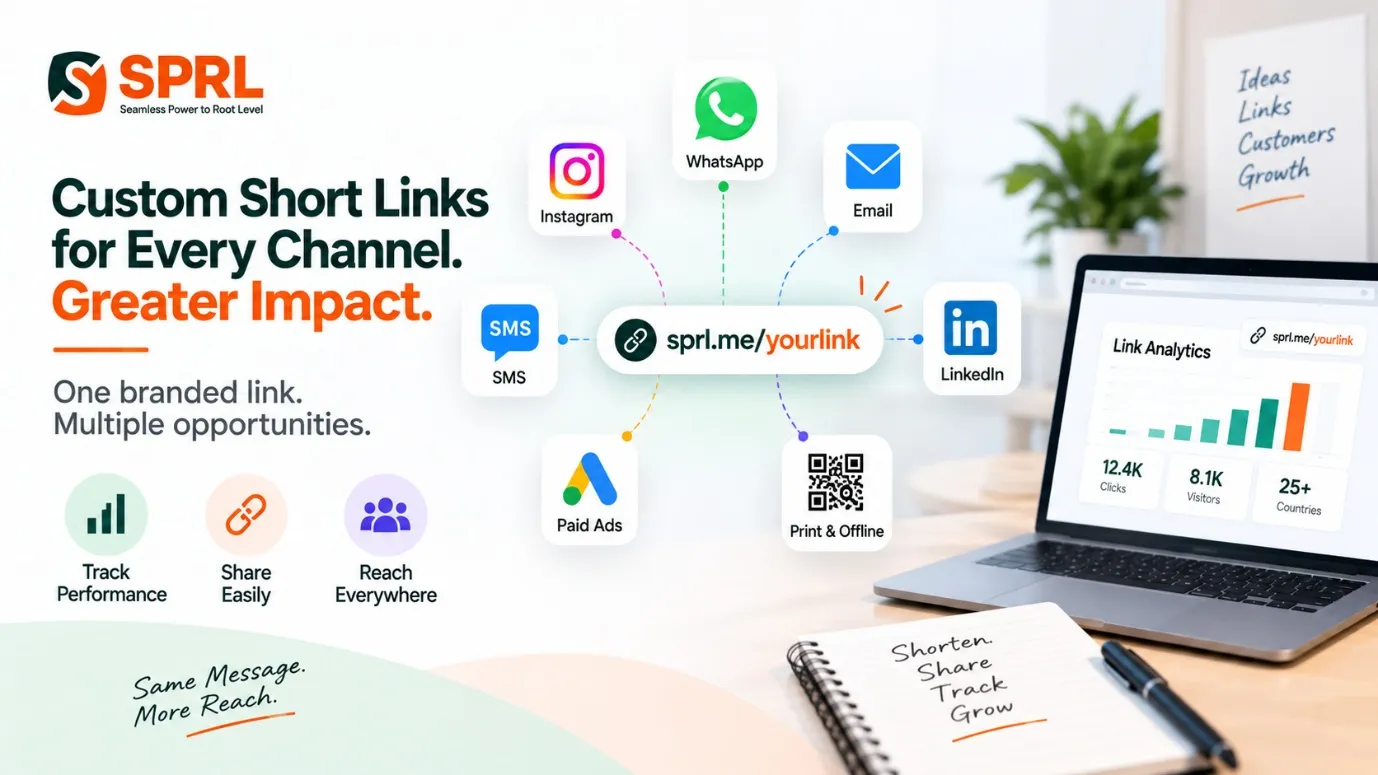
Modern campaigns rarely stay on one platform. A business may promote the same offer through WhatsApp, SMS, email, Instagram, paid ads, and printed material. Each channel has different space limits and different expectations for how a link should look.
A web URL shortener can help turn long destination addresses into cleaner links that are easier to share across these channels. The benefit is not only appearance. Short links can also make campaign organisation, tracking, and later maintenance more manageable.
Keep the Destination Consistent Across Channels
Customers may see the same promotion in several places before they click. If each channel uses a different destination or an outdated page, the customer journey can become confusing and difficult for the marketing team to measure.
Before creating short links, teams should confirm the final destination for every campaign. Product pages, registration forms, offer pages, and downloadable resources should be checked so that each shortened link leads to the intended experience.
Make Links Easier to Recognise
A random string of characters can work technically, but it may be difficult to identify later. Custom slugs can make links easier for marketers to understand and can help customers recognise the subject of the destination.
For example, a campaign for a seasonal sale could use a short, meaningful ending instead of an unrelated code. This is especially useful when a link appears in customer messages, presentations, or offline materials without much surrounding explanation.
Use Branding Without Overcomplicating It
Brand consistency can extend to the links a business shares. When available, a custom domain or recognisable link structure can help connect a short URL with the company or campaign that created it.
A custom URL shortener can support this approach by allowing teams to create shorter links with more control over aliases and presentation. Branding should remain simple, however. A short link still needs to be easy to read, type, and manage.
Treat WhatsApp and SMS Differently
Messaging channels are important for many businesses in India, but they have their own practical constraints. SMS has limited space, while WhatsApp messages can become cluttered when long tracking URLs are pasted directly into the conversation.
Shorter links can leave more room for a clear call to action. Teams should still explain what the recipient will find after clicking, rather than depending on the link itself to communicate the whole message.
Plan Tracking Before the Campaign Starts
Tracking is most useful when it follows a consistent system. Creating links first and trying to organise them later can lead to duplicated URLs, unclear campaign names, and reporting that is difficult to compare.
Teams can decide naming rules for channels, campaign dates, audiences, and offers before links are generated. UTM parameters or other analytics tags can then be applied in a consistent way to the destination URLs.
Avoid Creating Too Many Versions
Short links are easy to generate, which can encourage teams to create a new one for every small variation. Over time, this can produce a large collection of links pointing to almost identical destinations.
A simple approval or naming process can reduce unnecessary duplication. Teams should decide when a new link is genuinely required and when an existing campaign link can be reused without losing useful tracking information.
Review Links After the Campaign Ends
Campaign links should not be forgotten once a promotion finishes. A destination may be removed, an offer may expire, or a product page may move to a new address. Old links can then become misleading or useless.
Regular reviews help teams identify which links should remain active, which need a new destination, and which can be retired. This is especially important for links that have been printed or shared widely and may continue receiving clicks.
Use Short Links as Part of the Customer Journey
A short URL is only one step between a marketing message and the destination. The page that follows still needs to match the promise made in the ad, email, message, or social post.
If a campaign says “view today’s offer,” the destination should make that offer immediately clear. Clean links can improve the handoff between channels, but they cannot compensate for a confusing or irrelevant landing page.
Conclusion
Short links are most useful when they support a well-planned campaign rather than simply making URLs smaller. Consistent destinations, clear naming, sensible tracking, and regular maintenance can make links easier to manage across multiple channels.
For businesses running campaigns through social media, messaging, email, and offline promotions, custom link practices can create a cleaner workflow. The goal is straightforward: make each link easy to share, easy to understand, and easy for the marketing team to manage over time.